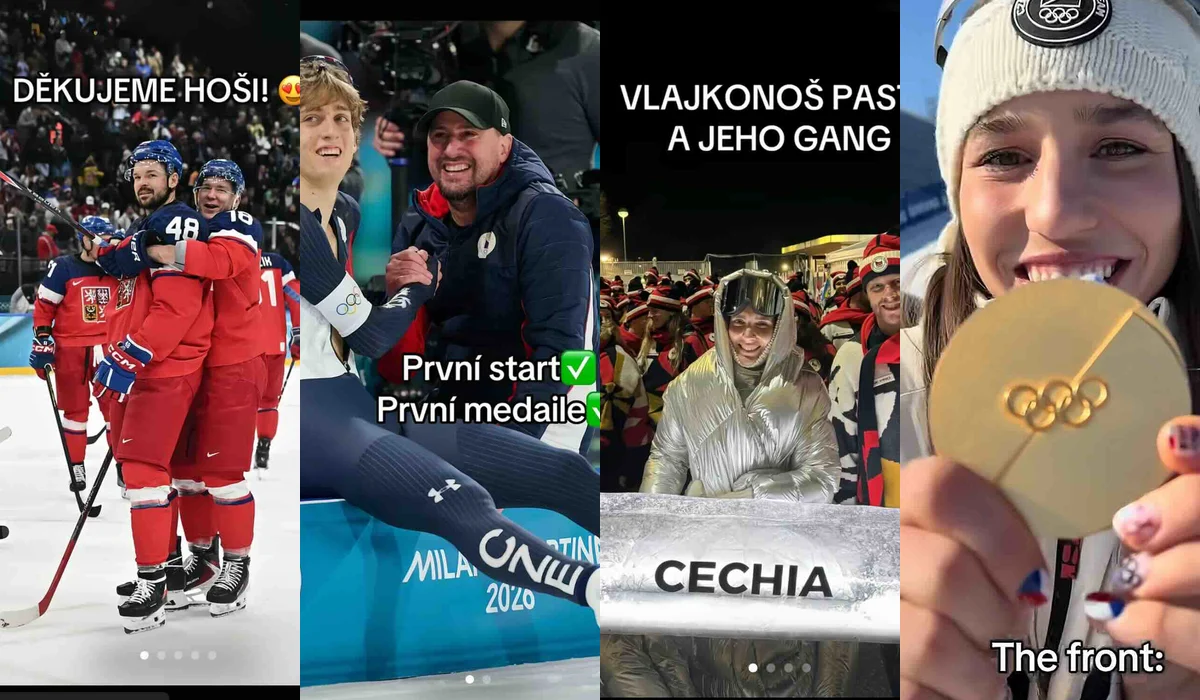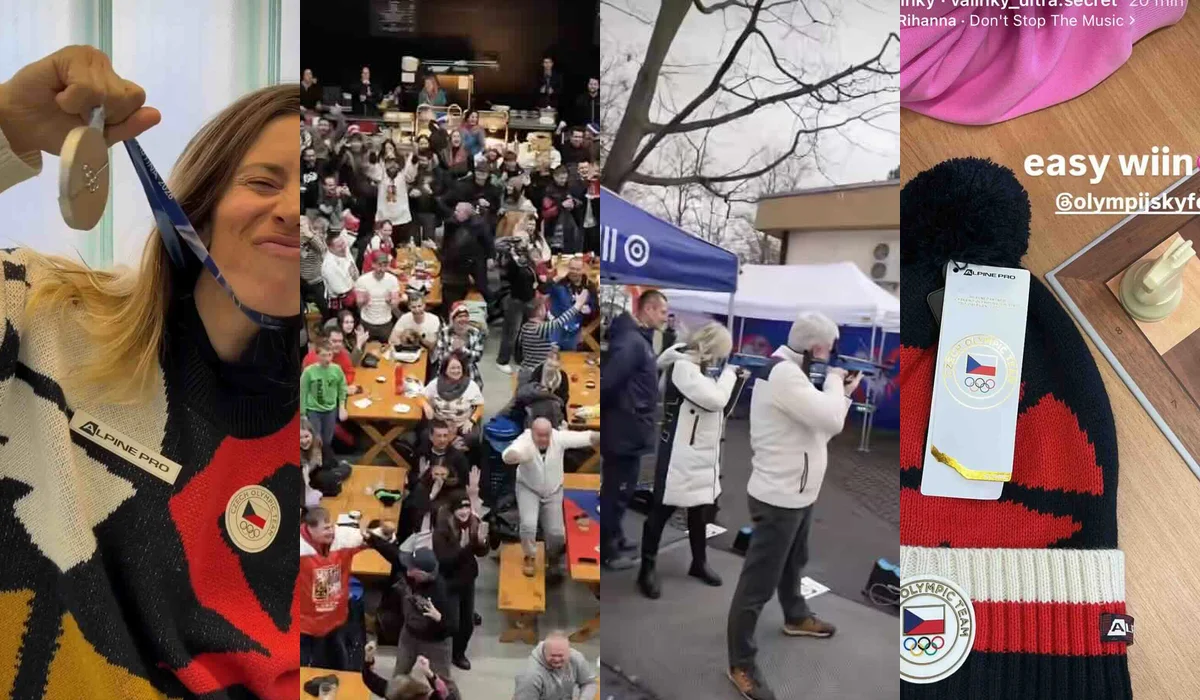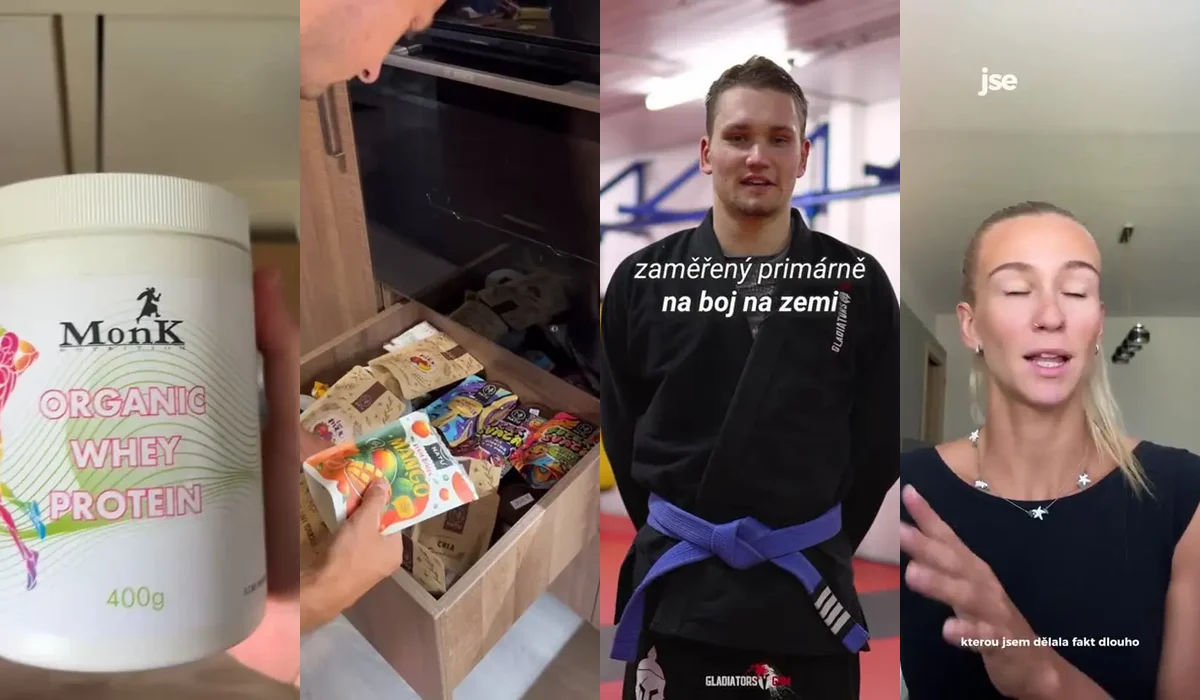
Today a sponsor isn’t just buying a logo on your kit. They want a story, a community, content and values to be associated with. The good news is that even a smaller athlete without hundreds of thousands of followers can find a partner – if they know what to offer and how to present it. Drawing on our work with the athletes in our portfolio, here is how to do it.
What sponsors want
- Visibility – on social media, in the media, at competitions and on your gear.
- Content – photos and videos they can use on their channels or in ads.
- Story and values – performance, perseverance, fair play, local pride.
- Access to an audience – your community, which trusts you.
- Activation – an appearance at a company event, training with employees, a signing session.
The more of this you can offer, the stronger your position. And you can deliver most of it without a huge profile.
Where to look for sponsors
- Brands you already use – gear, nutrition, clothing, recovery.
- Local companies in your town or region – they like to support “their” athlete.
- Companies whose customers overlap with your fans.
- Partners of your club or federation who are looking for a face for their communication.
Prepare a media kit
A media kit is a short presentation (ideally 3–6 pages) you send to a potential partner. It should include:
- who you are, your sport and your story in a few sentences,
- your biggest achievements and plans for the season,
- social media statistics: followers, reach, views and above all audience breakdown (age, countries, cities),
- content examples and previous partnerships,
- what exactly you offer, and your contact details.
For how to build a profile that backs up your media kit, see our guide to an athlete’s personal brand.
How to approach a sponsor
Write to a specific person – the marketing manager or the company owner, not a generic email address. Introduce yourself briefly, explain why their brand in particular, and propose a specific partnership: for example three posts during the season, a logo on your kit, one video for their channels and an appearance at a company event. Attach your media kit and offer a short call.
A general request for support works far worse than a clear offer that shows what the company will get.
What to offer beyond a logo
Content is increasingly valuable to brands. An athlete who can film a natural video with a product is interesting to a brand even without a big profile – brands use such videos in their ads. We teach athletes to create content for brands in our Athlete Creator Program, free of charge. Our guide to UGC videos shows what these videos look like.
Contract and deliverables
Agree in writing on exactly what you will deliver and when, how long the partnership lasts, whether there is category exclusivity, who owns the content rights and what the fee is – money, products or a combination. A clear agreement protects you and the partner.
How to keep a sponsor
After each major event or once a quarter, send your partner a short report: what you published, the reach, photos from events and a thank-you. Partners who see results renew – and often expand – the partnership.
Common mistakes
- Mass emails with no personal touch.
- Asking for money without a specific offer in return.
- A sponsor who doesn’t fit you – fans can tell.
- Silence after signing, no reports.
- Underestimating your own value and agreeing to anything.
Frequently asked questions
How many followers do I need to get a sponsor?
There is no fixed threshold. Local companies and brands looking for content often work with athletes who have a smaller but active audience. Fit with the target group, your story and a professional approach are what count.
Should I approach sponsors myself or through an agency?
You can start yourself, especially with local companies and brands you use. An agency or manager helps with bigger brands, negotiation, contracts and making sure the partnership delivers results for both sides.
What is a media kit and what should it include?
A short presentation of the athlete for partners: story, achievements, social media statistics and audience breakdown, content examples, a partnership offer and contact details. Ideally 3–6 pages.
Is it better to accept products or money?
At the start it’s common to begin with products, or a mix of products and a smaller fee. As results grow and the partnership lasts longer, it’s fair to negotiate a higher fee. Always be clear about what you deliver in return.