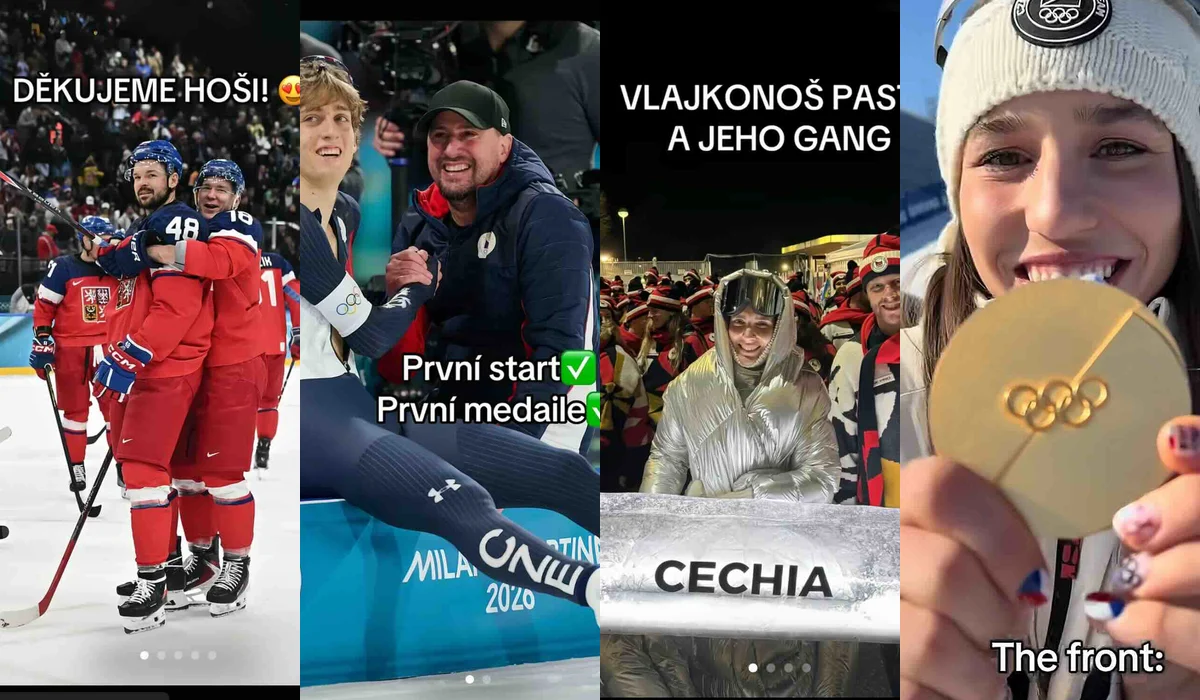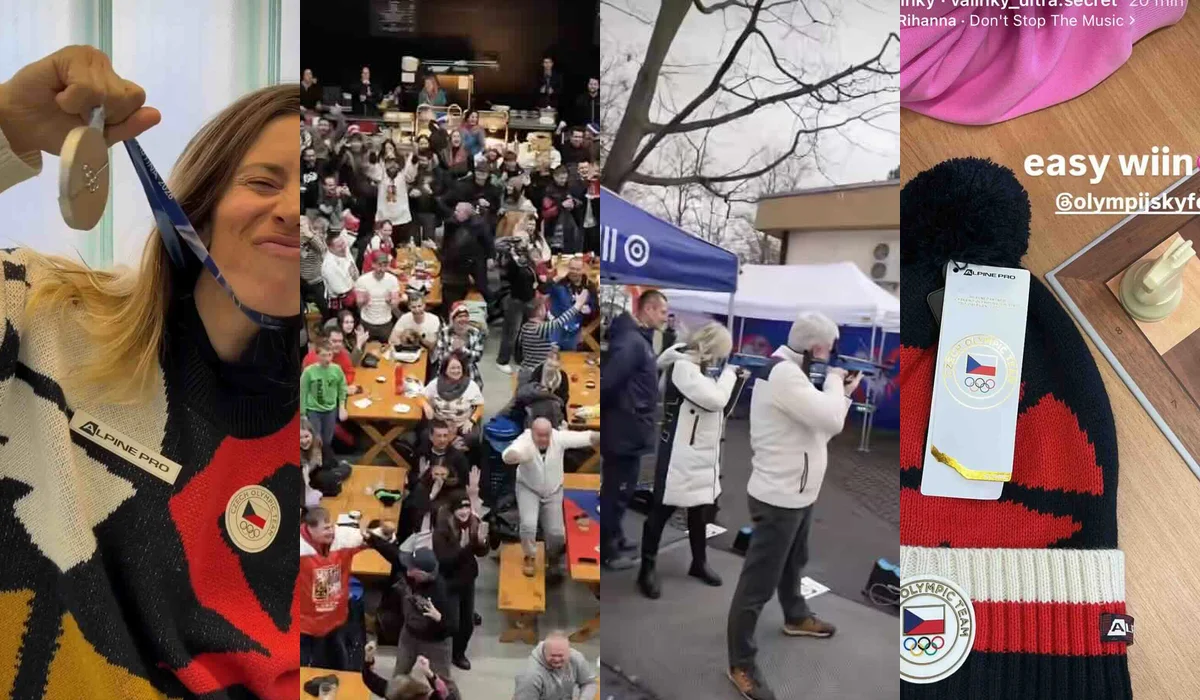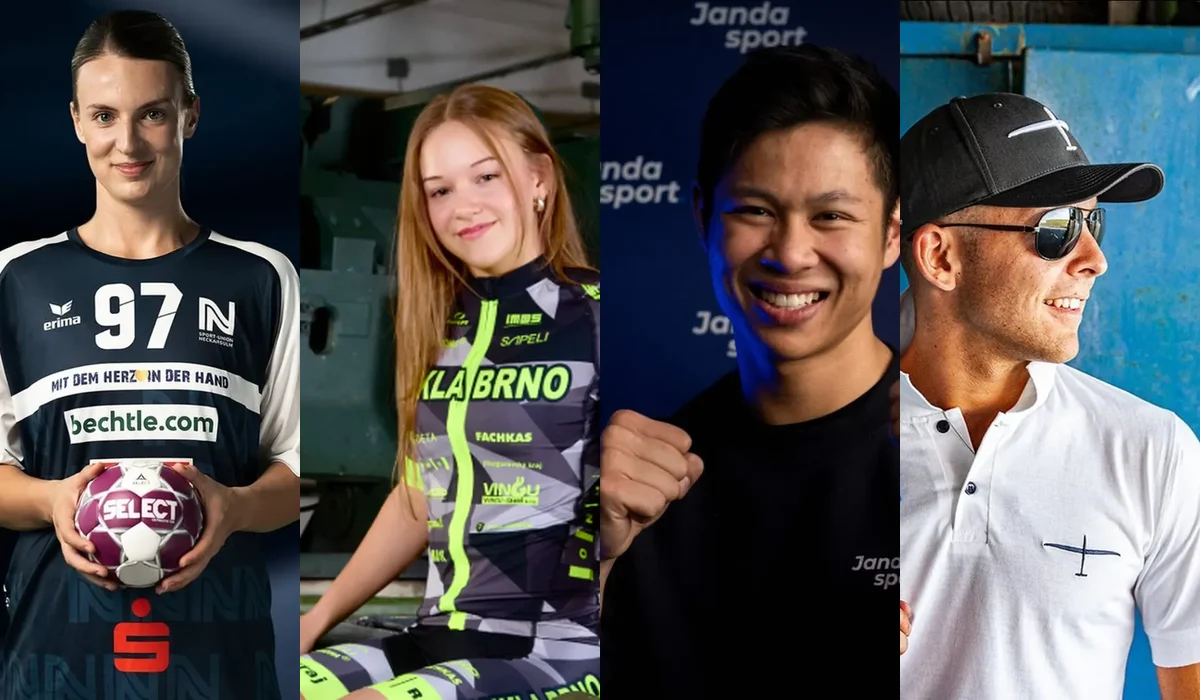
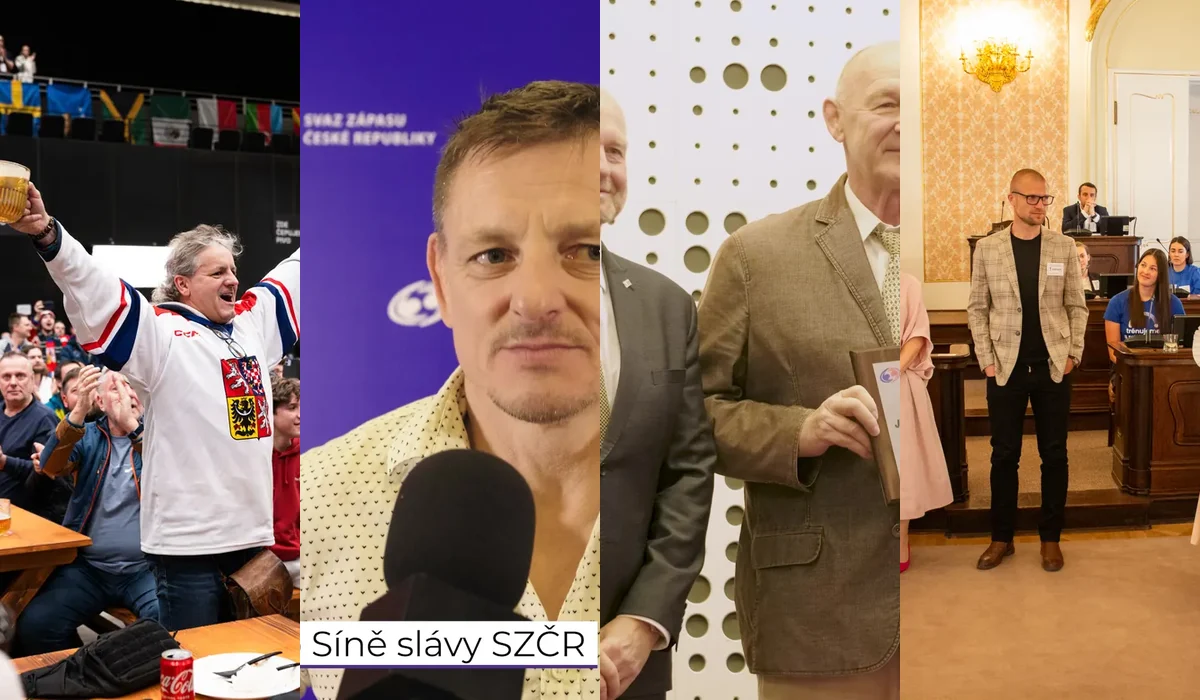
Sports federations and clubs have a huge advantage on social media: real stories, the emotion of competition and athletes people root for. Yet their profiles often feel like a results noticeboard. Drawing on our work for the Czech Wrestling Federation, the Trénujeme s respektem (Coaching with Respect) project and the Olympic Festival, we’ve put together how to turn social media into a channel that brings in fans, members and partners.
1. Know who you are talking to
A federation or club speaks to several groups at once: fans, members and the parents of young athletes, coaches and referees, partners and the media. Each wants something different – fans want emotion and results, parents want information and safety, partners want visibility and a good reputation.
You don’t need a separate profile for each group, but you should know which group each post is for. It also helps you choose platforms: Instagram and TikTok for fans and young athletes, Facebook for parents and the local community, LinkedIn for partners and professionals.
2. Split content into pillars
Pillars are recurring content types that save you from inventing what to post every week. For federations and clubs, these have worked well:
- Results and matches – previews, live updates, results, but above all emotion.
- Faces – athletes, coaches, referees and volunteers and their stories.
- Behind the scenes – training, camps, travelling to tournaments, event preparation.
- Education – tips, rules, technique, methodology for coaches and parents.
- Community – youth, local clubs, recruitment, events for the public.
- Partners – content that naturally involves partners, not just logos.
3. Build your communication on people
Specific faces work best. A short interview with an athlete after a match, a coach explaining one technique, or the volunteer who keeps the tournament running. For the 130th anniversary of the Czech Wrestling Federation we filmed interviews and introduced the winners – people respond to people, not press releases.
It also helps to collaborate with athletes on their own profiles. A joint post (collab) appears to fans of both the federation and the athlete, so the reach adds up. In the Trénujeme s respektem project, ambassadors such as Lucie Šafářová and Kuba Hroneš communicate this way.
4. Plan around big events
Championships, tournaments and anniversaries are a federation’s most valuable moments. Split your communication into three phases:
- Before the event: invitations, athlete introductions, a countdown, behind-the-scenes preparation.
- During the event: quick results, stories, short videos from the venue, athlete reactions.
- After the event: an aftermovie, the best moments, thanks to partners and volunteers.
An aftermovie is an investment that pays off: it works on social media, the website, in partner presentations and as an invitation to next year’s event. We cover event communication in detail in our guide to sports event marketing.
5. Short videos are the foundation
Reels, TikTok and YouTube Shorts now bring the most reach, including people who don’t follow you yet. It doesn’t need expensive production – a phone, good sound and a clear opening that tells people in the first seconds why they should keep watching. Try repeatable formats: technique of the week, a question for an athlete, the moment of the match. For TikTok specifically, see our guide to TikTok for sports organisations.
6. Give partners room
Partners want more than a logo in the corner of a photo. Offer them content that involves them: an award for the tournament’s best player, a behind-the-scenes video with their product, a joint competition. And send them the numbers regularly – reach, views, engagement. Well-run social media is a strong argument in partnership negotiations.
7. Moderation and safety
Federations and clubs work with children and young people, so you need clear rules: consent to publish photos, care about what is shared about children, and a process for inappropriate comments. We have long communicated the topic of safe sport (safeguarding) with the Trénujeme s respektem project.
8. Measure and adjust
Once a month, look at which posts had the most reach and engagement and why. Track follower growth, video views and clicks to your website (recruitment, tickets, shop). Based on the results, double down on formats that work and adjust or drop the rest.
Frequently asked questions
How often should a federation or club post?
Consistency beats volume. For most federations and clubs a realistic baseline is 2–4 posts a week plus stories, and much more during big events. What matters is that content keeps coming and doesn’t stop at the end of the season.
Is a volunteer enough, or do we need an agency?
A volunteer or team member can handle day-to-day posting if they have the time and clear rules. An agency pays off for strategy, big events, video production, ads and when you want to use social media to win partners. A combination often works best: an in-house person for everyday content and an agency for the concept and production.
Which social networks should a sports federation use?
Instagram and Facebook are the basics. TikTok and YouTube Shorts make sense if you want to reach young athletes and new fans. LinkedIn is useful for communicating with partners, sponsors and professionals.
How do we get more followers?
Short videos, joint posts with athletes, regular formats and strong communication around big events all help. Paid ads can speed up growth, but in the long run followers stay for content that entertains and informs them.